Genome Editing in Seeds
-
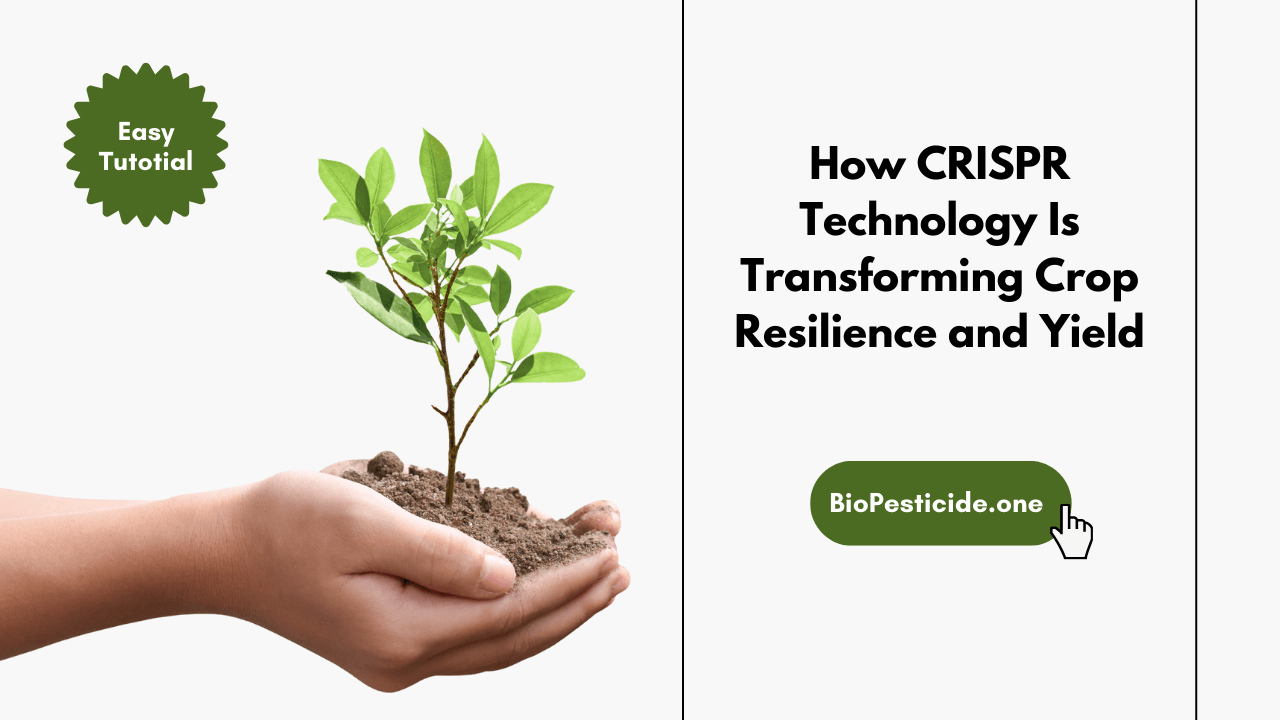
What it is: Genome editing, especially CRISPR-Cas9, is a tool that allows scientists to precisely modify a plant’s DNA to give it desirable traits.
-
Key traits targeted in crops like rice:
-
Abiotic stress tolerance – e.g., drought, high salinity, flooding, extreme temperatures. This is crucial as climate change impacts farming.
-
Improved yield – more grains per plant, faster growth, stronger roots.
-
Nutrient content – biofortified crops like rice richer in iron, zinc, or vitamins.
-
Disease & pest resistance – reduces need for chemical pesticides.
-
Advantages of CRISPR-edited seeds
-
Faster development than traditional breeding (years instead of decades).
-
More precise than older methods like mutation breeding.
-
Can target specific genes without introducing foreign DNA, so sometimes classified differently from GMOs in some countries.
Limitations & Adoption
-
Regulatory approval varies by country; some are faster (like USA, Japan) while others require long testing (like EU).
-
Field trials are needed to confirm traits under real farming conditions.
-
Cost can be high initially, but can reduce input costs long-term for farmers.
So basically, CRISPR and similar genome editing technologies are revolutionizing seed development, making crops more resilient, nutritious, and productive—but it’s still gradually rolling out depending on local regulations and farming practices.
Reference Links (for citation or further reading)
India’s first genome‑edited rice varieties:
https://vajiramandravi.com/current-affairs/icar-launches-worlds-first-genome-edited-rice/
Approved genome‑edited rice and traits:
https://www.nature.com/articles/d44151-025-00078-2
CRISPR for abiotic stress tolerance in crops:
https://www.mdpi.com/2073-4409/11/22/3590
https://panda-fog.com https://aimesbd.com https://imagedoorz.com https://patripatro.com https://risfashions.com https://towfiq.xyz https://biopesticide.one https://mujaiyana.com https://rumble.com/register/towfiqsmtir/