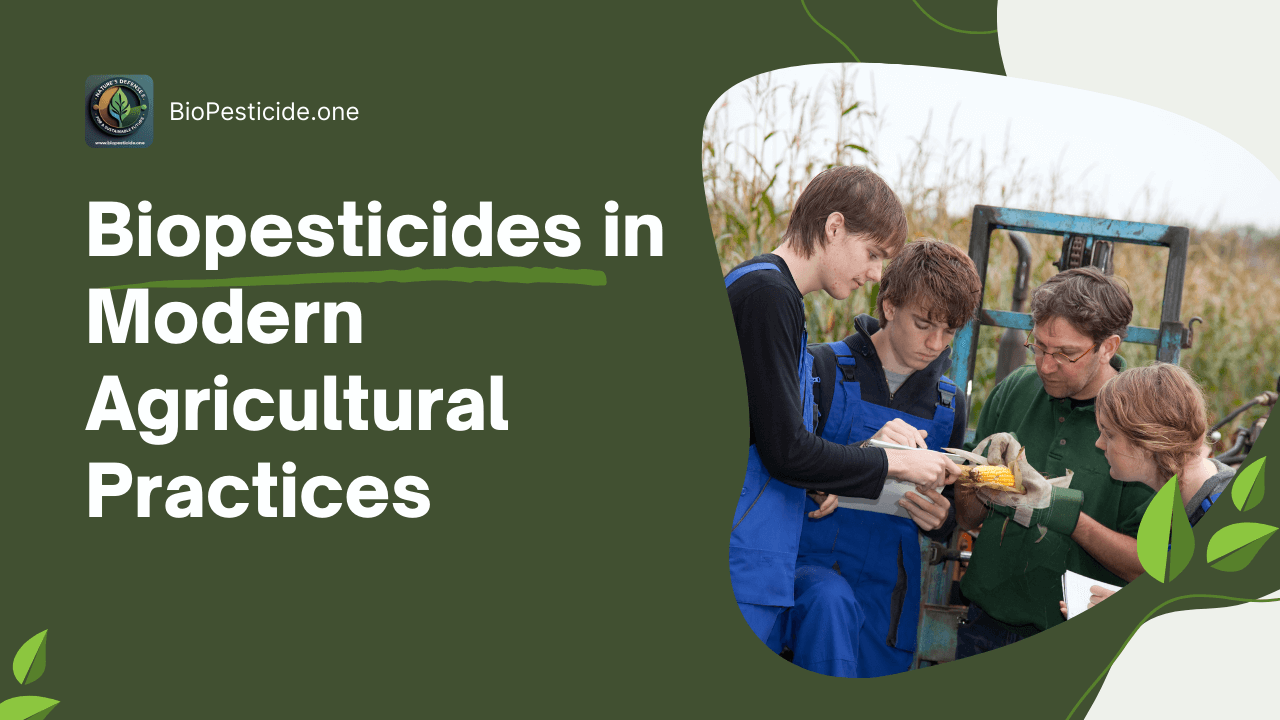
Modern agriculture is undergoing a major transformation as farmers and agribusinesses search for safer, more sustainable solutions. One of the most impactful innovations is the growing use of biopesticides in modern agricultural practices.
Biopesticides offer effective pest control while protecting soil health, biodiversity, and food safety.
1. What Are Biopesticides?
Biopesticides are pest management solutions derived from natural sources such as plants, bacteria, fungi, and minerals. Unlike chemical pesticides, they target specific pests and reduce harm to beneficial organisms.
This makes biopesticides ideal for sustainable farming systems.
2. Growing Demand for Sustainable Farming
Consumers are increasingly demanding residue-free and organically grown food. Governments and regulatory bodies are also encouraging reduced chemical pesticide use.
As a result, biopesticide adoption in agriculture is rising globally.
3. Improved Crop Yield and Quality
Modern biopesticides help control pests without damaging crops or soil microbes. Healthier soil leads to stronger plants and better yield quality over time.
Farmers benefit from both productivity and sustainability.
4. Environmental Safety and Biodiversity Protection
Chemical pesticides often harm pollinators and aquatic life. Biopesticides, on the other hand, are biodegradable and environmentally friendly.
This makes them a key component of eco-friendly agricultural practices.
5. Role in Integrated Pest Management (IPM)
Biopesticides play a vital role in Integrated Pest Management (IPM) systems. They work alongside cultural, biological, and mechanical controls to reduce pest resistance.
IPM-based agriculture ensures long-term pest control effectiveness.
6. Reduced Pest Resistance
Overuse of chemical pesticides leads to pest resistance. Biopesticides use multiple modes of action, reducing the chance of resistance development.
This improves long-term crop protection strategies.
7. Compatibility with Organic Farming
Biopesticides are widely accepted in organic farming standards. They help farmers meet certification requirements while maintaining effective pest control.
Organic agriculture strongly depends on biopesticide solutions.
8. Cost-Effective Long-Term Solution
Although initial costs may seem higher, biopesticides reduce long-term expenses by improving soil health and lowering dependency on chemicals.
They offer strong return on investment over time.
9. Technological Advancements in Biopesticides
Advances in formulation, microbial research, and application techniques are improving the effectiveness of biopesticides.
Innovation is driving broader adoption in modern agriculture.
10. Future of Biopesticides in Agriculture
With climate change and sustainability concerns growing, biopesticides are becoming essential rather than optional.
The future of agriculture depends on environmentally responsible pest control.
Final Thoughts
Biopesticides in modern agricultural practices represent a major shift toward sustainable food production. They protect crops, preserve ecosystems, and support long-term farming success.
Farmers, agribusinesses, and policymakers who invest in biopesticides today will shape the future of agriculture.