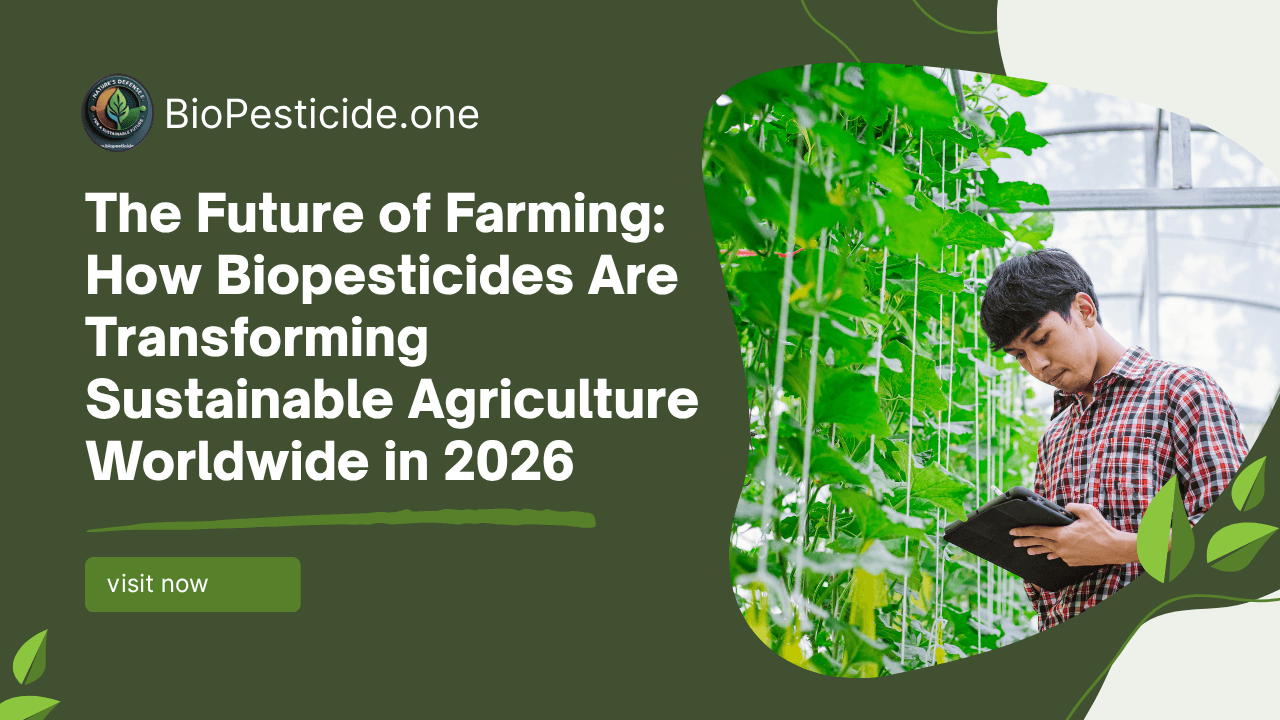
Modern agriculture faces increasing challenges, including pest resistance, soil degradation, and environmental concerns. Biopesticides offer a sustainable solution by providing effective pest control while supporting ecological balance and long-term farm productivity.
What Are Biopesticides?
Biopesticides are pest control products derived from natural sources such as bacteria, fungi, plants, and minerals. Unlike synthetic chemicals, they target specific pests and break down quickly, reducing harm to beneficial organisms and the environment.
Types of Biopesticides
There are three main categories of biopesticides. Microbial biopesticides use microorganisms to control pests. Biochemical biopesticides rely on naturally occurring substances that disrupt pest behavior. Plant-incorporated protectants are produced when plants are genetically enhanced to resist pests.
How Biopesticides Work
Biopesticides control pests through mechanisms such as growth inhibition, feeding disruption, or direct elimination. Their targeted action reduces the risk of pest resistance and protects pollinators, soil microbes, and other beneficial species.
Benefits for Farmers
Farmers benefit from biopesticides through improved crop safety, reduced chemical residues, and better soil health. These products are compatible with integrated pest management systems and support sustainable farming practices.
Role in Sustainable Agriculture
Biopesticides align with global goals for sustainable agriculture. They help reduce chemical dependency, improve biodiversity, and meet consumer demand for safer food. Many modern farming systems now integrate biopesticides as a core crop protection strategy.
Market Growth & Future Potential
The biopesticide market is expanding rapidly due to regulatory support and environmental awareness. Ongoing research and innovation continue to improve product effectiveness and application methods, making biopesticides a key component of future agriculture.
Why Biopesticides Matter Today
As agriculture evolves, biopesticides provide a practical balance between productivity and sustainability. They empower farmers to protect crops while preserving natural ecosystems for future generations.